
Understanding Palm Oil Markets in Malaysia
Track crude palm oil prices, analyze MPOB production data, and explore the impact of biodiesel mandates and EU regulations on global commodity markets.

What Drives CPO Prices?
Crude palm oil pricing reflects a complex interplay of global supply, seasonal production cycles, and changing demand patterns across biodiesel and food industries.
Price Cycles
Monthly movements follow predictable seasonal patterns tied to harvest seasons and weather events across Southeast Asia.
Production Data
MPOB reports track monthly output and inventory levels that directly influence quotations and market sentiment.
Demand Drivers
Biodiesel mandates in Europe and Asia create structural demand growth that supports prices during seasonal lows.
Trade Regulations
EU deforestation rules reshape sourcing patterns and create compliance premiums for certified sustainable producers.
Featured Analysis
Deep dives into the data, trends, and economics shaping the global palm oil industry.

CPO Price Cycles: What Drives Monthly Movements
Explores seasonal patterns, global supply shifts, and how weather impacts crude palm oil quotations throughout the year.
Read Analysis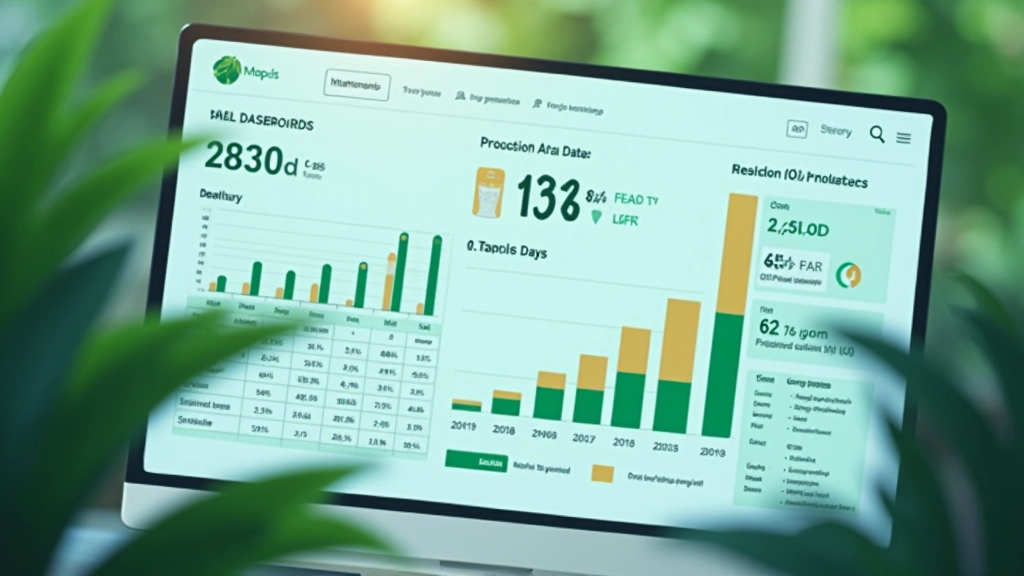
Reading MPOB Production & Stock Data
Guide to understanding Malaysia Palm Oil Board reports, interpreting production figures, and tracking inventory levels that move markets.
Read Guide
Biodiesel Mandates & Domestic Demand Growth
How mandatory blending requirements across countries drive palm oil consumption and create pricing pressure in the biodiesel sector.
Read AnalysisEU Deforestation Regulations Reshape Supply Chains
The European Union’s deforestation regulation (EUDR) is fundamentally changing how palm oil reaches global markets, creating both challenges and opportunities for Malaysian producers.
Starting in late 2024, the EUDR requires proof that commodities weren’t produced on deforested land. This affects palm oil imported into the EU, one of the world’s largest biodiesel markets. Producers who can’t document sustainable sourcing face market restrictions.
Malaysia’s response has been strategic. The country’s certified sustainable palm oil (CSPO) sector is expanding rapidly. Smallholder farmers are joining certification programs to maintain market access. Supply chain documentation has become as important as production efficiency.
The regulation creates a compliance premium — certified sustainable CPO commands higher prices than standard palm oil. For Malaysian producers meeting these standards, it’s opened a valuable market advantage. For those lagging behind, it’s created urgency to upgrade practices and documentation systems.
Why Track These Metrics?
Production forecasting
MPOB data releases set market expectations for upcoming supply. Traders and manufacturers plan purchases around these monthly figures. Understanding the reports helps you anticipate price movements weeks in advance.
Seasonal demand patterns
Biodiesel blending quotas vary by country and season. European winter heating oil demand differs from Asian summer air conditioning loads. These patterns repeat annually, creating predictable price pressure points.
Regulatory compliance costs
Sustainability certification and traceability systems add costs to production. Understanding EUDR compliance timelines helps you evaluate which producers will maintain competitive pricing advantages.
Supply chain resilience
Weather disruptions, processing capacity constraints, and export logistics create temporary supply shocks. Monitoring inventory levels reveals when tight supplies might push prices higher.
Our Research Framework
We don’t just report numbers — we explain the economic forces behind them.
Monthly Data Analysis
We break down MPOB production reports and inventory releases, showing exactly what changed month-to-month and why it matters for pricing. Production data isn’t just a statistic — it’s the foundation of market expectations.
Price Cycle Tracking
Crude palm oil follows seasonal patterns tied to harvest cycles, weather events, and refinery operations. We map these cycles so you can understand when prices typically rise or fall, and what conditions might break the pattern.
Biodiesel Mandate Impact
Blending requirements in the EU, Indonesia, and other regions create structural demand. We track how these mandates interact with palm oil supply and what happens when one grows while the other shrinks.
Regulatory Compliance Tracking
EUDR and similar regulations aren’t just policy — they’re market forces that reshape sourcing costs and market access. We monitor how these rules affect different producers and supply chains across regions.
What Readers Say
“I’ve been in commodity trading for eight years. This site breaks down MPOB data in ways I hadn’t considered before. The seasonal pattern analysis is solid — helped me catch a price move I would’ve missed.”
“Our company sources palm oil for biodiesel production. The regulatory updates here aren’t boring compliance stuff — they directly affect our sourcing decisions and margins. Worth checking monthly.”
“I’m learning about palm oil economics for my finance thesis. Most resources are either too basic or assume you’ve got a Bloomberg terminal. This site explains the mechanics without the jargon.”
Ready to Understand These Markets Better?
Start with our featured analysis or explore the full collection of market data, price trends, and regulatory updates.